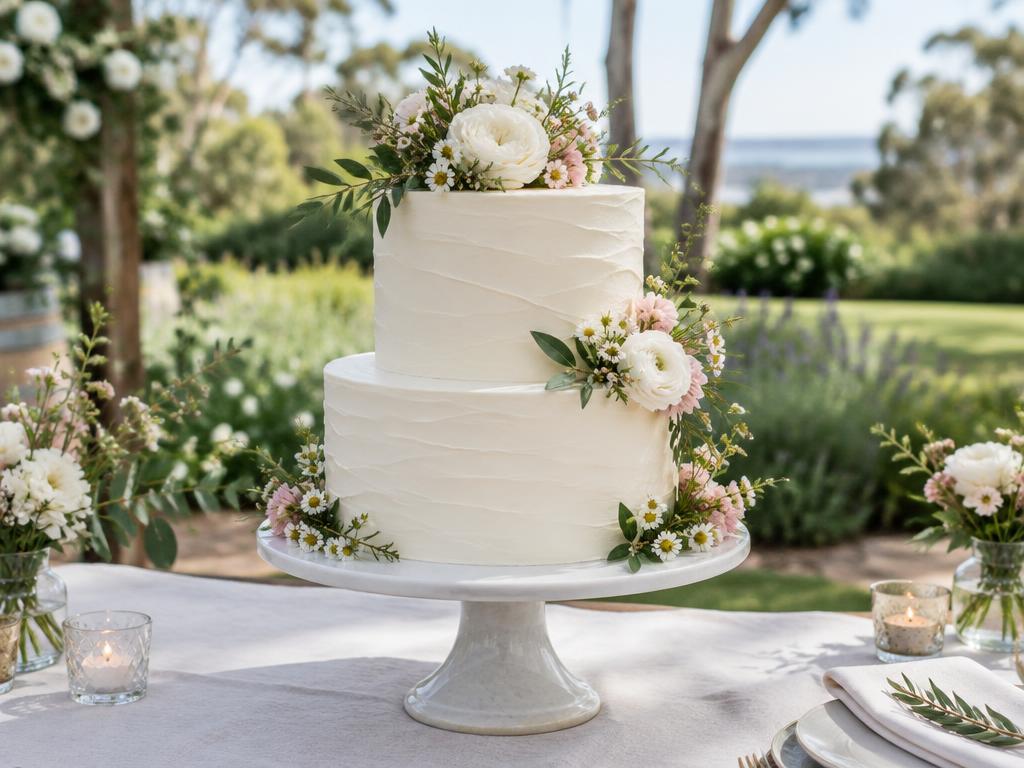
A wedding cake has a working life beyond its photograph: it travels, waits, stands on display and eventually becomes dessert. Booking well means understanding that whole journey, especially when your reception is at home. Before choosing the finishing touches, establish who will move the cake, where it can safely sit and who takes responsibility after delivery.
TLDR
Treat delivery, display and service as one connected booking. Get cake specific handling instructions from your baker, nominate a handover contact and agree on a weather backup before confirming the order.
1. Define what delivery actually includes
When comparing wedding cake suppliers, ask whether the quote includes transport, unloading, assembly, final decoration and placement on the display table. Delivery to a driveway is different from a fully assembled cake positioned upstairs. Describe the venue honestly so the baker can assess access and staffing.
Confirm who supplies the stand, support boards, cutting equipment and any flowers. If another supplier is adding decorations, establish whose approval is required and who checks that materials are suitable around food. Put hire collection, packaging removal and responsibility for missing equipment into the booking agreement.
2. Walk through the arrival route
Share the delivery address, parking arrangements, gate width, stairs and distance from the unloading point to the cake table. A beautiful garden entrance may be awkward for carrying a large cake. Tell the baker about gravel, slopes, pets and any access restrictions that could complicate arrival.
For backyard weddings, nominate someone other than the couple to meet the delivery. Give that person the baker's contact details and authority to resolve practical questions. Coordinate arrival with furniture installation and other deliveries, allowing the baker to recommend a workable window rather than guessing how long setup needs.
3. Ask for cake specific handling instructions
There is no universal refrigeration rule for wedding cakes. Fillings, finishes, structure and decorations can need different conditions. Ask your baker for written instructions covering transport, storage, display duration and leftovers, then check whether your venue can actually provide those conditions. Do not assume a domestic fridge is appropriate.
Food Standards Australia New Zealand's food delivery guidance addresses safe transport, contamination and temperature control. Use it as background, not a substitute for instructions about your particular cake. Discuss allergens and cross contact too, including how relevant information reaches the people cutting and serving dessert.
4. Choose the table before the backdrop
A cake display needs a stable, level surface that can support the finished cake and stand. Ask the baker to approve the proposed setup, including table dimensions and positioning. Keep the route clear of guests and consider whether children, dancing or moving chairs could knock the table.
Discuss sun, rain, wind, insects and nearby heat sources with the baker and venue contact. Agree on an alternative location that meets the cake's requirements, rather than relying on a decorative shelter alone. Add the agreed setup and weather decision maker to your planning guide notes so everyone follows the same arrangement.
5. Close the loop on serving
Confirm who accepts delivery and checks the cake against the order. Ask what happens if access is unavailable, the table is unsuitable or damage is noticed during handover. Understand the baker's cancellation, postponement and delivery terms before paying, including how changes to the address or reception schedule are handled.
Finally, name the person responsible for cutting, portioning and distributing the cake. Check whether that service is included with catering, how dietary portions will be identified and what containers are needed for leftovers. Share the baker's instructions with that person directly. A clear handover protects the cake and frees you from troubleshooting dessert during your own reception.
If you are collecting instead, ask whether the baker offers collection for your design and vehicle. Confirm how the cake should be secured, who loads it and when responsibility transfers to you. Never improvise a transport method based on a cake that looks similar online. Also agree on a simple shared service cue: who tells catering that photographs are finished and cutting can begin? That small detail prevents a display cake from sitting untouched while guests wait for dessert, and helps the serving team follow the handling plan you have already agreed with your baker.
Explore the complete guides