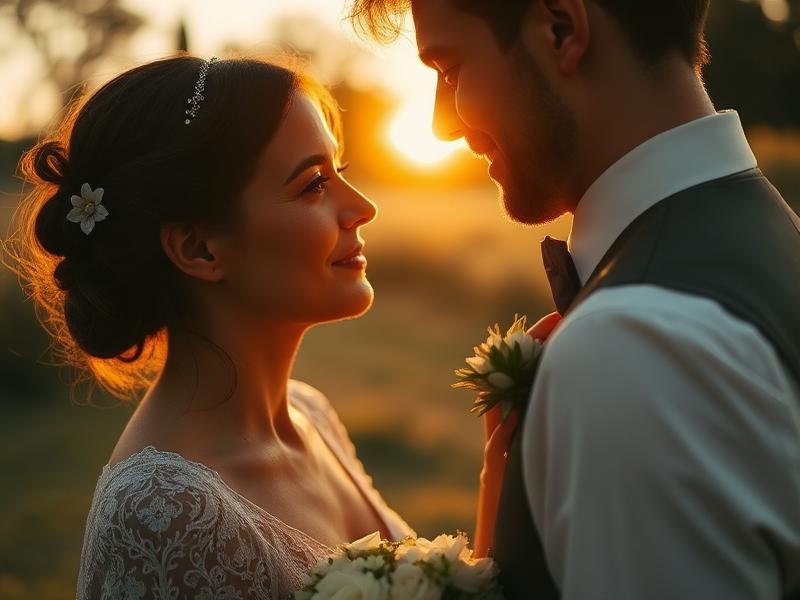
Choosing a photographer is partly about pictures and partly about how you want your wedding to feel. The person behind the camera will share intimate moments, manage changing light and sometimes gently organise your favourite people. Before comparing packages, decide which memories matter most and how much direction you actually enjoy. A beautiful portfolio is a starting point, not the whole decision.
TLDR
Compare complete galleries, talk through a realistic timeline and read the contract carefully. Choose someone whose approach, communication and coverage fit your day, rather than booking on a handful of striking portraits alone.
Start with your real priorities
Picture the photographs you would want beside you in twenty years. Perhaps they are candid family exchanges, an exuberant dance floor or quiet portraits together. Rank those priorities before browsing wedding photographers, so your shortlist reflects your celebration rather than whichever editing style currently fills your feed.
Describe the atmosphere, guest count and locations when making enquiries. For micro weddings, ask how the photographer works within a small group without making every interaction feel observed. Intimate does not automatically mean simple: travel, multiple locations and family dynamics can still shape the coverage you need.
Look beyond the highlight reel
Ask to see complete galleries from weddings with comparable conditions, ideally including your likely ceremony time and venue setting. Notice indoor images, mixed lighting, movement and skin tones. Consistency across a full day tells you more than a collection of portraits made in perfect evening light.
Look for storytelling as well as technique. Are important people present without every image looking staged? Can you follow the day? If you love an airy style but have booked a dim restaurant, ask what your photographs could realistically look like there. Avoid expecting another couple’s setting to be recreated.
Understand how they work with people
A conversation can reveal whether you feel comfortable asking questions or admitting that being photographed feels awkward. Ask how much direction they offer, how they handle reluctant portrait subjects and how they organise family combinations. Neither documentary nor highly directed coverage is inherently better; the right balance is personal.
Clarify who will actually photograph the wedding, especially when booking through a studio. Discuss assistants, second photographers and the process if illness prevents attendance. Explain any sensitive relationships privately, including people who should not be grouped together. Clear information helps your photographer guide portraits without broadcasting family history.
Build coverage around the day
Use your planning guide to sketch preparations, ceremony, travel, portraits and reception events. Then ask where coverage should begin and end. Include realistic movement between locations, not just driving time. Parking, lifts, greetings and gathering relatives can quietly consume the space intended for photographs.
Ask how the photographer plans for rain, harsh midday sun and delays. Discuss whether you want to leave the reception for portraits, and for how long. Your venue checklist should also cover photography restrictions, access times and alternative indoor locations. A workable backup matters more than an optimistic forecast.
Read the agreement before committing
Compare what each quote includes: coverage hours, the named photographer, travel, image delivery, editing and any albums or prints. Ask about delivery timing, gallery access and how files should be downloaded and stored. Understand the difference between receiving digital photographs and receiving permission for particular uses.
Read cancellation, postponement, payment and overtime terms carefully. Discuss publication preferences, particularly if children or private family circumstances are involved. Keep important promises in writing rather than relying on a friendly call. When you are ready to send an enquiry, include your date, location and priorities so the response can be genuinely useful.
Make a short family photograph list and nominate someone who knows the guests to help gather people. Keep the list focused on combinations you genuinely value, allowing time for mobility needs and absent relatives. Ask whether the photographer prefers this information beforehand and how unexpected requests will be handled. Also discuss meals and breaks if coverage spans the reception; these are practical working arrangements, not awkward extras. Finally, ask how you will receive updates after booking. Knowing when planning conversations happen can make the months before your wedding feel less uncertain, particularly if you are organising everything from another city.
Explore the complete guides