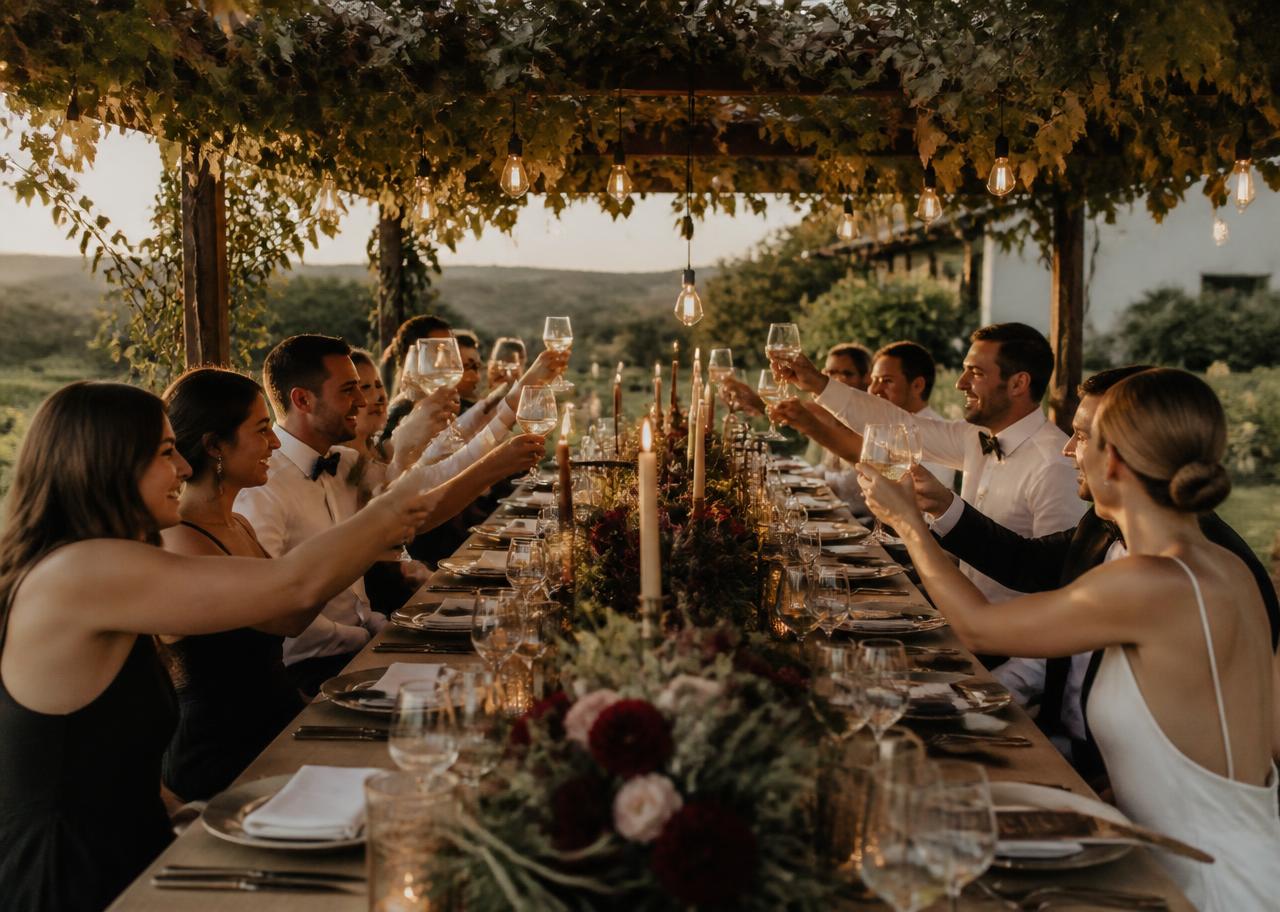
An Australian elopement can feel wonderfully simple, but simplicity usually comes from making a few important decisions carefully. You still need a valid marriage process, people who understand their roles and somewhere suitable to gather. Start with those foundations, then add the landscape, clothing and celebration details that make the experience feel like yours.
TLDR
Book an authorised celebrant, understand the notice and witness requirements, and check location access and permissions. Build a practical weather alternative and a timeline that leaves room to enjoy being together.
1. Put the marriage process first
For a legal marriage in Australia, give your authorised marriage celebrant a Notice of Intended Marriage at least one month and no more than eighteen months before the wedding. Limited exceptions may allow a shorter notice period; do not build your plans around receiving one. Confirm your circumstances directly with your celebrant.
The Attorney General's Department explains the requirements, including two witnesses over eighteen. Ask wedding celebrants which identity and relationship documents they need to see, how to complete the notice and what happens after the ceremony. A tiny guest list does not reduce the legal requirements.
2. Give every person a clear role
Decide whether you want trusted guests, professional support or a mixture of both. Confirm witnesses explicitly rather than assuming suppliers can double up. If your photographer will also witness, discuss how that affects coverage at the signing and whether another person is needed for any part of the day.
When comparing wedding photographers, ask about experience with your proposed terrain, available light and the pace you prefer. Explain whether you want a short ceremony record, a longer adventure or a quiet portrait session. Check what travel, access limitations and weather changes mean for the agreed coverage.
3. Assess the place beyond its appearance
A location should work for the ceremony, not only for a photograph. Consider footing, walking distance, privacy, toilets, mobile reception and accessibility for everyone attending. Visit if practical, or ask someone familiar with the site for current information. Check whether seasonal conditions could make your preferred spot uncomfortable or unsafe.
Ask the relevant land manager, venue or property owner about permission, bookings and restrictions for your specific activity. Requirements vary by place and may differ for ceremonies, photography, equipment or exclusive use. Do not assume every beach needs a council permit, or that an apparently quiet public location is automatically available.
4. Build a genuine alternative plan
Choose a weather alternative that remains meaningful and accessible, rather than treating it as a disappointing emergency option. It might be a sheltered venue or another agreed location, subject to permission and suitability. Confirm whether your celebrant and photographer can accommodate a location change and what additional costs may apply.
Decide who monitors conditions, when you will make the location decision and how everyone receives the update. Consider heat, storms, wind, smoke and local warnings as relevant to the setting. Your elopement plans should never depend on crossing unsafe terrain or ignoring advice to secure a particular photograph.
5. Leave room for the actual experience
Map the day's essential movements: getting ready, travelling, meeting suppliers, marrying and celebrating afterwards. Include realistic walking time and opportunities to eat, drink and pause. Ask your photographer about light without letting portrait plans consume the whole experience. A small wedding can still feel rushed if every transition is tightly packed.
Finally, agree on how you will tell people and what you want to keep private. Share necessary logistics with your support team, but resist adding traditions simply because a larger wedding would include them. The goal is not an empty schedule; it is a day where the legal, practical and emotional pieces fit comfortably together.
Pack for the conditions you have actually checked: appropriate footwear, water, necessary medication and layers can matter more than extra decorative details. Ask suppliers how equipment and belongings will reach the ceremony spot, and who carries them back. If there is no reliable reception, agree on meeting instructions that work offline. A clear arrival point, recognisable contact and shared understanding of the backup location can prevent a small logistical problem from becoming the defining memory of an otherwise beautifully considered and deeply personal day.
Explore the complete guides