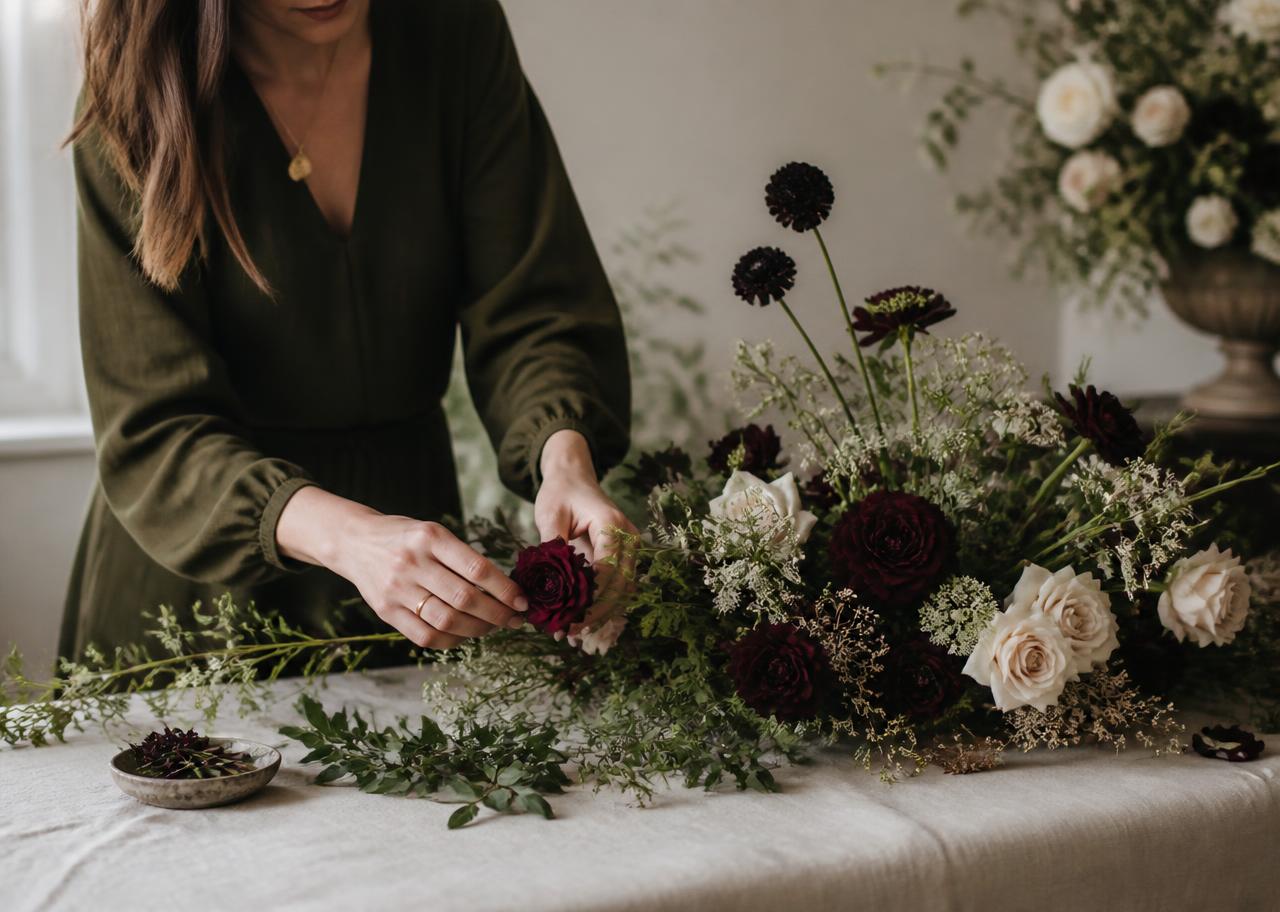
A cohesive wedding does not require every object to match. It needs a few clear decisions repeated thoughtfully, with practical equipment supporting the atmosphere rather than competing with it. Styling gives the day its visual direction; hire supplies some of the pieces. A shared brief connects those jobs and prevents beautiful individual choices becoming an awkward collection onsite.
TLDR
Define your visual priorities, measure the space and allocate responsibility for every hired item. Compare styling and hire scopes separately, then reconcile them through one layout, inventory and installation plan.
Choose a visual decision rule
Describe the celebration in three useful words, then explain what each means. Relaxed might mean generous shared tables and uncluttered place settings, not mismatched furniture. Choose a restrained palette, a dominant material and one focal moment. These decisions help you reject attractive objects that do not support the overall direction.
Share that brief with wedding planners and stylists, asking whether their service includes concept development, sourcing, installation or all three. A mood board communicates atmosphere; it does not confirm stock, dimensions or labour. Request a written explanation of how the visual idea becomes a deliverable plan.
Let the site shape choices
For backyard wedding plans, begin with measurements, ground conditions, access and the route between ceremony, dining and amenities. Mark existing trees, garden beds, steps and services that cannot move. Ask suppliers to assess suitability where necessary rather than assuming a photograph captures everything they need.
Check dining comfort, circulation and accessibility before choosing decorative extras. A dramatic lounge setting may be less useful than stable dining furniture and a clear path to the bathroom. Ask the property owner and relevant suppliers about weather alternatives, protection of surfaces, power needs and any permissions that require checking.
Translate inspiration into inventory
Create a room by room inventory with quantities, dimensions, finish, supplier and intended placement. Distinguish practical necessities from styling accents. Include chairs, tables, linen, crockery, glassware, lighting and signage where relevant, but do not assume one hire company supplies every category or that matching product names mean matching colours.
For example, two proposals might both describe neutral tablescapes. One includes linen, napkins and candleholders; another adds cutlery but excludes candles and setup. Compare the actual item list and labour, not the mood board. Request samples or clear product references when differences in texture or tone matter to your concept.
Assign every physical task
Delivery is not necessarily installation, and installation is not necessarily styling. Ask who unloads, positions furniture, steams linen, places stationery and removes packaging. Identify who moves ceremony pieces to the reception, if that is planned, and whether the move is feasible while guests and suppliers use the same space.
Connect this work with your planner versus coordinator comparison. Someone directing suppliers may not provide the crew to carry furniture. Confirm access windows, collection arrangements, cleaning expectations, damage terms and the contact authorised to approve substitutions. Every object needs both a destination and a person responsible for getting it there.
Walk through the layout as though you are arriving with a drink, finding your seat and leaving after dark. Where would you put a bag? Can a chair pull out comfortably? Does signage help at the actual decision point? This exercise keeps the brief grounded in guest experience. Then repeat the walk from a supplier perspective, considering deliveries, clearing plates and collection. Remove decorative pieces that make ordinary tasks unnecessarily difficult. A quieter design that works smoothly can feel more considered than a crowded installation that requires constant supervision or obstructs the paths people need.
Reconcile and freeze the brief
Keep one current layout and inventory, with changes dated and shared across your stylist, hire team, florist and venue or property contact. Use a practical wedding planning guide to connect styling decisions with catering, seating and the run sheet. Check that decorative placements do not obstruct service or essential access.
Before you submit your styling brief, label images as inspiration or confirmed products. Identify your nonnegotiable focal point and the pieces you could simplify if logistics become difficult. A cohesive result comes from disciplined choices and clear ownership, not endless additions. Finish by confirming who checks the installed space against the brief before guests arrive.
Explore the complete guides