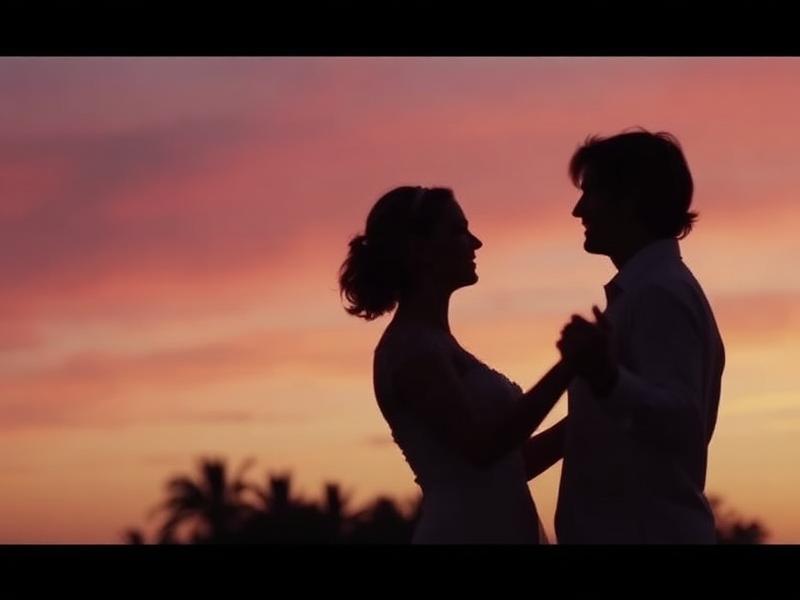
A beautiful highlights film tells you something about a videographer’s eye, but very little about what their package actually includes. Before comparing proposals, decide what you want to remember: your vows, the atmosphere, family speeches or the whole unfolding day. Then compare coverage and finished films separately. They answer different questions, and neither is explained by a package name.
TLDR
Compare hours, people, audio, finished films and delivery terms. Ask what happens when plans change, and judge each proposal against your actual wedding rather than the longest inclusions list.
Start with your story
Write down three moments you would regret missing and the people whose voices matter most. For intimate elopement ideas, that might mean private vows, a shared meal and messages from absent family rather than reception coverage. Give shortlisted wedding videographers the same priorities so their responses are genuinely comparable.
Describe all the locations and travel between them. A ceremony beside a walking track creates different access questions from a ceremony and reception in one building. Ask whether travel, parking, location changes and preparation time sit within the quoted wedding coverage window.
Separate coverage from deliverables
Coverage is when the team is working; deliverables are what you receive. Request the proposed start and finish, number of operators and each person’s role. Two operators might cover simultaneous preparations, but ask how they would actually be deployed rather than assuming twice the people means twice the useful footage.
List every promised film by purpose: a short highlights edit, a longer narrative film, a ceremony recording or speeches in full. These are examples, not standard inclusions. JLM Studios Adelaide’s package article is one practitioner’s explanation, not an industry rule. Ask each supplier to define their own terms.
Listen beyond the soundtrack
Watch complete sample films, not only social clips. Listen for clear vows, balanced speeches and transitions between music and natural sound. Ask how audio is captured, what backup recording is planned and how the team handles wind or a speaker moving away from a microphone.
For example, one proposal might offer a longer highlights film without complete speeches; another might offer a shorter edit plus separate speech recordings. Neither is automatically better. If hearing your grandparents matters more than a cinematic montage, the second arrangement may serve your priorities better. Confirm rather than infer.
Read the delivery terms
Ask about expected delivery, file formats, download access and your responsibility for keeping copies. Clarify whether revisions are included, what counts as a revision and whether music choices are constrained by licensing. Request separate permission arrangements for portfolio use if you want your celebration kept private.
Check cancellation, postponement, replacement operator and equipment failure provisions in the agreement. Ask whether raw footage is available and what it actually contains; unedited files are not interchangeable with a finished documentary. For aerial footage, ask about feasibility, permissions and alternatives rather than treating a drone shot as assured.
Build a simple comparison sheet with separate rows for ceremony audio, speeches, preparation coverage, reception coverage and each finished edit. Mark an item as confirmed, excluded or unanswered; a blank should never quietly become an assumed inclusion. If one filmmaker finishes after the ceremony and another stays for dinner, ask what meaningful material the extra coverage adds to your chosen films. Also discuss how the videographer works alongside your photographer during portraits and formalities. Agreement about positioning and timing can matter more than another cinematic effect. Finally, ask how sensitive moments are handled, including anyone who does not want to be filmed or featured publicly. Put those preferences in your shared briefing document before the wedding.
Explore the complete guides